
Are you a struggling employer looking for the best practices for managing remote teams? Handling a remote workforce in separate time zones is complex. Numerous companies find it hard to maintain higher productivity, transparent communication, and higher staff satisfaction.
The ongoing issue indicates the importance of robust organizational processes, clear expectations, and efficient online workflows. The ideal way to accomplish tasks is to go beyond just counting work hours.
Focusing on concrete results and building a culture of reliability is crucial. Managers need to set explicit guidelines for open communication, using video calls, online chat, or emails. However, they need to respect time zone borders.
It’s crucial to set up a digital environment that works seamlessly with project management tools. This framework ensures accountability and smooth processes. It ensures that the team is working toward the same objectives.
The Modern Remote Workforce Model
A remote workforce is a group of individuals who work collaboratively on projects from separate places. They work online frequently from different cities, nations, and time zones. This model has transformed a rare benefit into a valuable requirement. This transformation occurs due to the COVID pandemic and advances in technology.
The robust remote workforce strategies are important as they help companies stay on the same page, hold individuals accountable, and keep teams moving forward. When people work from home, they need different kinds of leadership to prioritize reliability, compassion, and clear communication ahead of physical presence.
Leaders need to know how to handle digital workflows and communication. This preparation is the first step in your guide to managing remote teams.
Why Companies Require Effective Remote Team Management
Companies with remote teams often have significant issues like scattered communication and unpredictable outcomes. They face a constant lack of insight into job progress and a cultural gap.
Managing a remote team well is crucial as it sets up organized best practices that make things clearer, lower operational stress, and ensure the team is working toward the same goals. This foundation is really essential to coming up with effective strategies for maintaining productivity in remote teams.
Insufficient leadership makes the issues worse. It lowers productivity, harms team morale, and exposes project results to risk. When rules are unclear, conflicts arise, and teams can’t collaborate efficiently.
Prioritize Ideal Practices for Managing Remote Workforce
The remote work best practices for successful leadership are to focus on results, set up open communication patterns, and build a culture of confidence.
Clarify Expectations & Shared Objectives
Set precise timelines, measurable targets, and explicit roles and obligations. Ensure that remote workers fully comprehend their job duties, decision-making process, and interaction norms. It sets the stage for effective communication tips for remote workers.
Robust Communication Framework
Set up regular updates, weekly monitoring, and clear communication channels. Keep a clear record of significant choices using transparent documentation. This collaboration framework is quite important to reduce confusion in the workforce.
Support Virtual Team Productivity
To enhance remote employee productivity, minimize unnecessary meetings, and provide sufficient work hours. Giving team members freedom to plan their own schedules leads to more engaged and successful work.
Promote Collaboration Using the Right Tools
Use the right resources to make it easier for individuals to work collaboratively. These tools can help them share files, keep track of projects, and communicate easily. The collaborations are necessary to supervise remote teams. It ensures smooth workflows and provides essential tools for effective remote team collaboration.
The Appropriate Tools for Remote Workforce Management
A suitable technological framework is crucial for making effective remote workforce strategies. Remote teams need a set of specific tools to work together, including project management platforms to keep track of tasks.
- Applications for communication and online meetings let you talk in real time efficiently.
- Software that tracks time to indicate working efforts.
- Knowledge-sharing tools are vital for keeping records.
Using the wrong tools can cause various issues, such as dispersed information and inadequate engagement. The appropriate tool works together perfectly and makes workflows easier. It gives the team essential resources and information they require to thrive.
The tools you use have a major impact on how to build a strong remote work culture.
Company Culture & Engaging Remote Workforce
To keep a favorable company culture, you need intentional effort. Plan virtual social gatherings and publicly praise individual achievements. It deliberately creates a welcoming environment. These are valuable remote team management tips for ensuring success.
Valuable Connection Points
To develop strong relationships, make frequent team meetings and virtual interactions. These opportunities help create a culture of confidence, transparency, and a sense of security among remote workers.
Strong Remote Integration
A solid remote initial orientation is essential for successful team building and cultural alignment. Ensure new hires comprehend the organization’s values, tools, and expectations. Full integration ensures that they seem connected, recognized, and ready to participate. It is the first step in successfully onboarding new employees remotely.
Peer Collaboration and Cross-Team Interaction
Promote collaborative endeavors and set up a system of peers to work together. These activities, coupled with organized discussion meetings, help break down barriers. It creates a stronger connection and unified remote work environment across departments.
Progress Monitoring Without Micromanaging
Remote management concentrates on KPIs focused on results, not operational monitoring. Managers should set up a clear, open performance structure that lays out specific, measurable objectives and outcomes.
You develop reliable accountability through a concentration on desirable outcomes instead of considering time or methods. Instead of monitoring technologies, this method uses regular, beneficial input sessions and explicit project milestones.
The best way of evaluating the performance of remote employees without micromanaging them is to compare their work to the agreed-upon goals.
Hiring and Expanding Global Remote Workforce
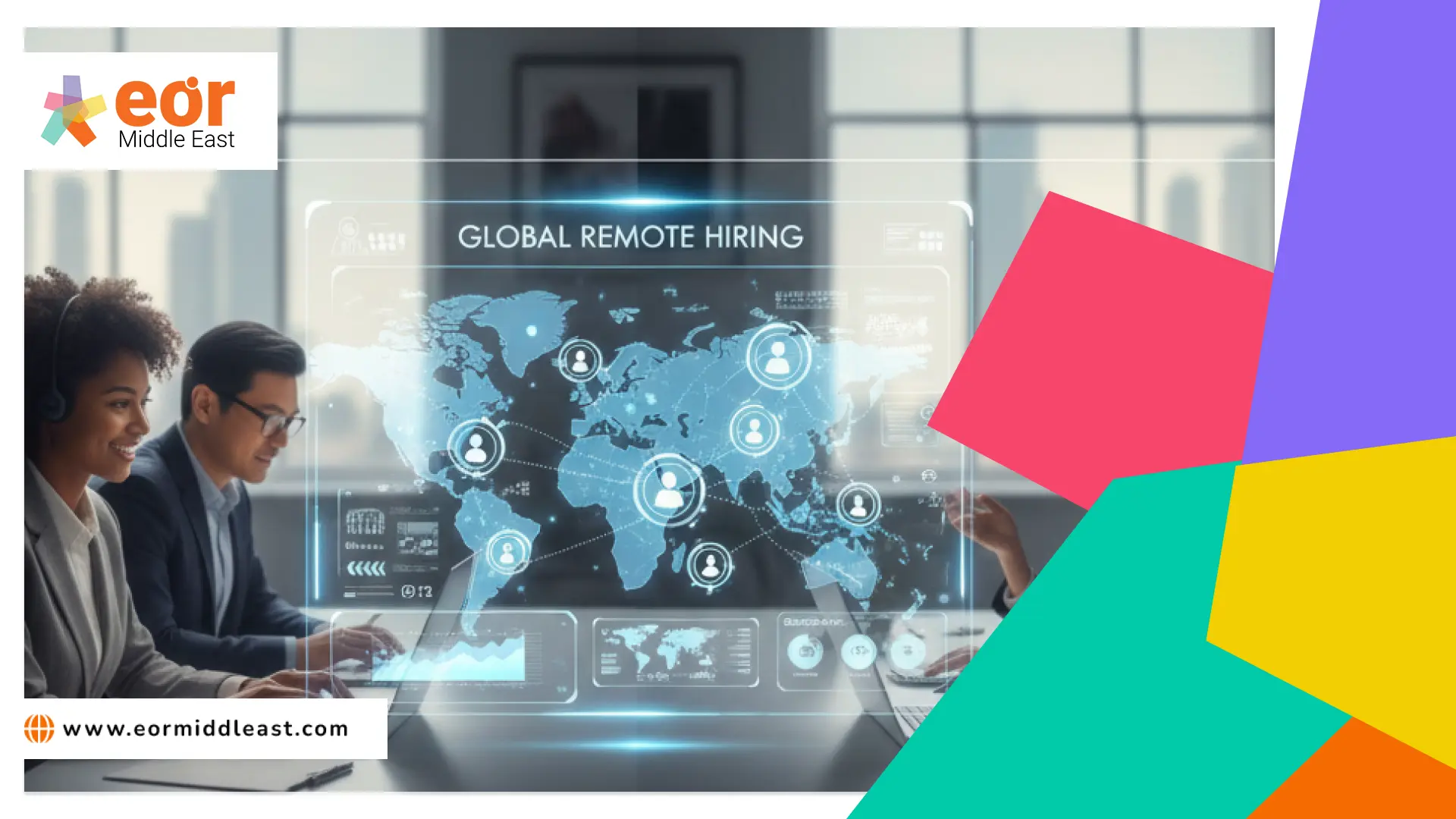
Hiring individuals from all over the world brings in a wider range of skills. However, it needs to handle compliance and awareness of cultural diversity. It manages individuals in an organized way across all time zones.
Recruiting Remote Workers Globally
When recruiting workers from all over the world, you need to consider time zone differences, cultural compatibility, and communication skills. Ensure the applicant’s skills and personality fit the needs of the remote job. When hiring remote workers in the Middle East, these variables are essential.
Emerging Remote Job Markets
Companies may now find workers globally with specific skills, at a lower cost, and from diverse backgrounds. Emerging markets have distinct skills with a significant edge over their competitors. This worldwide reach opens up interesting new opportunities, such as the growth of remote jobs in Dubai.
Wrapping Up
Remote managers need to learn intentional communication, use appropriate resources, and build a strong culture. They must set specific targets and track output based on trust. They can build strong and competent remote teams.
Leaders can create a flexible workforce that can produce great output by using these best practices for managing remote teams. The best way to manage remote teams is to use these tactics.
FAQs
What is the greatest approach to judge remote team progress?
Use explicit, measurable KPIs based on outcomes and agreed-upon project outputs to judge performance. Use unambiguous performance structures instead of work hours or activity.
What are the best tools for managing a remote team?
Productive tools for managing remote teams include an integrated project management system, online chat or video calls, and knowledge-sharing resources.
How can you ensure that remote workers stay productive?
Give staff time to focus on serious tasks, minimize pointless meetings, clarify the expectations, and offer flexible work schedules.
What are the most effective ways to lead remote teams?
Concentrate on clear, quantifiable results, organized open communication, robust online procedures, and cultivating trust and independence within the team.
How can you keep a strong culture with a remote workforce?
Keep the culture strong by ensuring regular, planned social connections and recognizing individual successes. Ensure that they feel comfortable and open.